Rock Art of the Côa Valley: A 20,000-Year-Old Heritage
Rock Art of the Côa Valley: A 20,000-Year-Old Heritage
The Côa Valley preserves one of the most impressive collections of Palaeolithic rock art in Europe — engravings and paintings dating from between 22,000 and 10,000 years ago. Located in north-eastern Portugal, alongside the Côa River catchment, it was declared a UNESCO World Heritage Site in 1998.
The Engravings
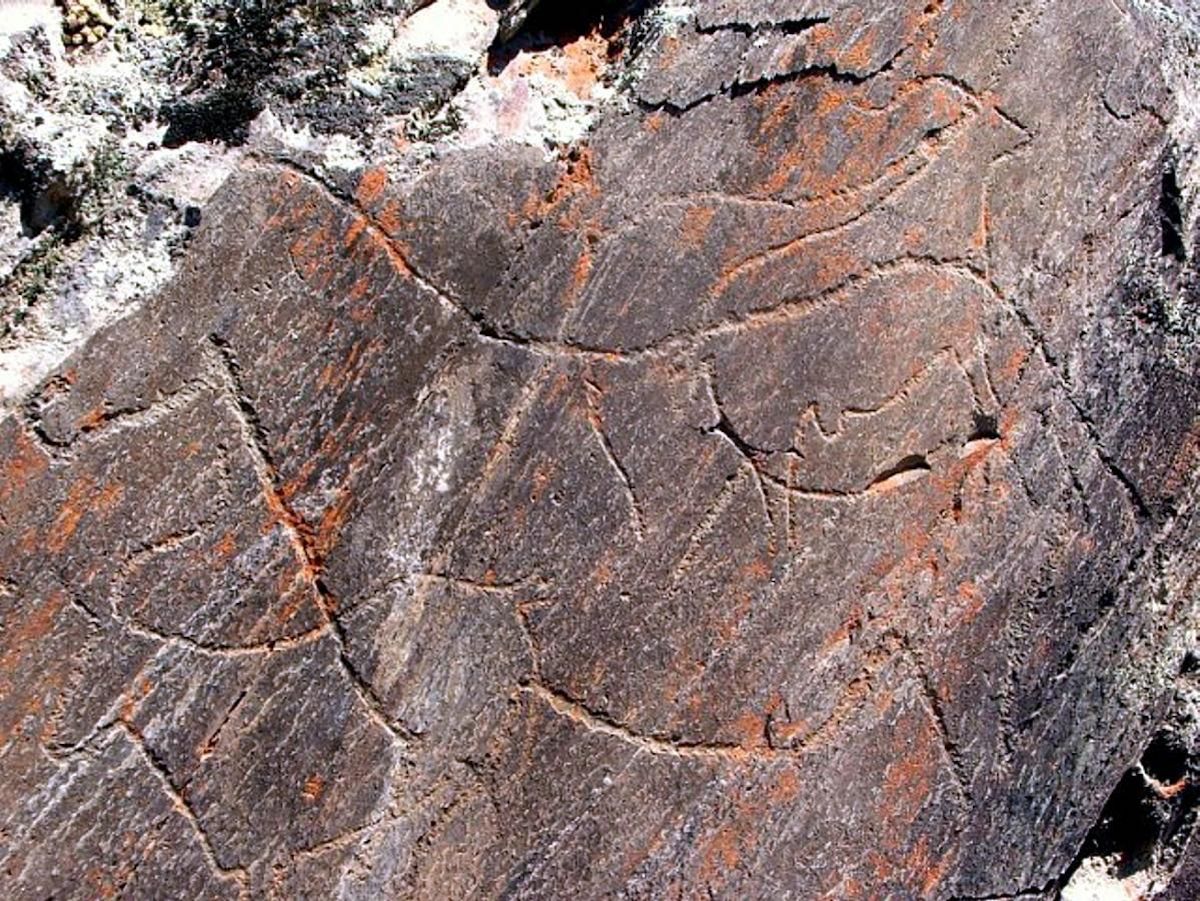
The rock panels mainly depict animals: horses, wild goats, aurochs (an extinct species of cattle) and deer. They were created by percussion — the prehistoric artist struck the rock with stone tools, creating deep grooves that are still recognisable today.
Some figures overlap, indicating that the valley was a sacred site visited for thousands of years by hunter-gatherer communities.
Archaeological Significance
The Côa Valley challenged established beliefs: it showed that rock art was not confined to caves (such as Altamira or Chauvet), but also adorned rock faces in the open air. This revolutionised our understanding of prehistoric life in Portugal.
Visiting
The Côa Museum (Casa do Fauno, Vila Nova de Foz Côa) provides context and access to selected panels with specialist guides. The original engravings require protection — they are not freely accessible.
A living testament to 20 millennia of human history.